Tiny games, one card to shareCompatibility tests, personality quizzes, arcade games and decision tools
My favorites
Saved on this device only
Learn Korean
23 games Oppa, Hyung, Noona or Unnie?Hyung, oppa, nuna, eonni, sorted in two taps.
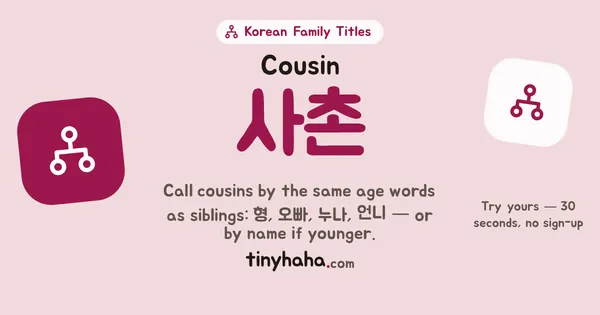 Korean Family TitlesWhat to call your in-laws, aunts, cousins, and why.
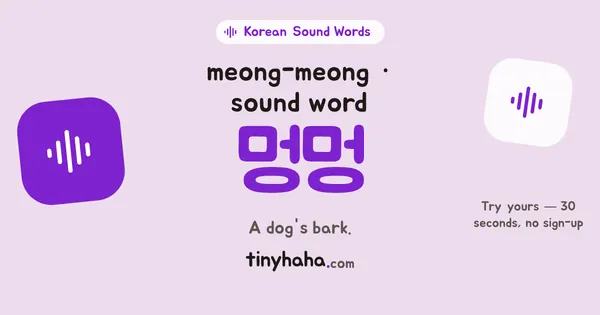 Korean Sound Words멍멍, 반짝반짝, 두근두근, words that sound like what they mean.
- Korean Food Guide40 dishes: what's in them, how spicy, how to order.
- Korean Four-Character Idioms일석이조, 작심삼일, sajaseongeo, explained.
- The 24 Solar TermsKorea's old seasonal calendar, what each term means, eats and says.
- Korean ProverbsOld sayings, what they mean, and when to use them.
- Korean Politeness LevelsWhich way of talking fits which person.
- Konglish DictionaryKorean words that look English but aren't, and what to say instead.
- Hanja in Korean NamesThe Chinese characters behind 서연, 민준, 지우, and what they mean.
- Korean Etiquette20 everyday manners: why they matter, what to do, what to skip.
- Living in Korea: Key TermsJeonse, wolse, move-in registration, trash bags, explained for newcomers.
- Korean Seasons & WeatherSpring to winter, monsoon to fine dust, what to expect and what to say.
- Types of Korean RestaurantsBunsik, gukbap, pocha and more, what they serve and how to order.
- Korean Counters명, 마리, 개, 잔, how Koreans count things.
- Learn HangulAll 40 Korean letters: sound, strokes, words.
- Korean Slang꿀잼, 혼밥, 갓생, everyday Korean slang, explained.
- Korean Travel Phrases20 situations, 8 phrases each, from the café to the hospital.
- Korean SurnamesKim, Lee, Park and 27 more, spellings, hanja and clans.
- Korean NumbersTwo number systems: 일·이·삼 and 하나·둘·셋, and when to use each.
- Korean TypingType 30 Korean words in the two-set layout. How many strokes a minute?
- Korean Holidays ExplainedSeollal, Chuseok and 13 more days, what people do, eat and say.
- Korean DrinksSoju, makgeolli, sikhye and more, what they are and how to order.
Learn Korean pages are short reference guides to the parts of the language that textbooks rush past: who to call what, politeness levels, counters, slang, Konglish, proverbs and the Hangul letters themselves. Open one when a word in a drama or a message doesn't make sense, or before meeting someone's family. Learn Hangul covers all 40 letters with strokes and sounds; Korean Politeness Levels tells you which way of speaking fits which person.